Plumbing 101 – How Plumbing Systems Work

Plumbing is the system of pipes, fixtures and appliances that deliver water and remove waste in residential and commercial buildings. Plumbers install, repair and maintain these systems, ensuring safe, efficient operation.
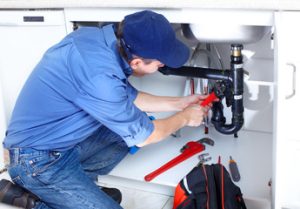
Plumbing

Many of the components in a plumbing system are hidden from view, but understanding how they work can help prevent problems down the road. Visit https://www.castlerockplumbingllc.com/ to learn more.

While they look simple enough on the outside, water heaters are ingenious appliances with a lot going on inside. For example, they have a dip tube that feeds cold water into the bottom of the tank (generally in homes these are 50 gallons in capacity). Then there’s a heating element—either a flame or electric coil—that heats up when your hot-water tap is turned on. A thermostat keeps track of the temperature inside the storage tank, and when readings drop below a preset level, the heating mechanism kicks back in to warm things up.

These traditional heaters are powered by gas, electricity, or even propane and fuel oil. In some cases, there’s a pressure relief valve on the top of the tank that lets out steam and super-heated water when needed. A sturdy, heat-resistant drain pipe (typically copper, iron or steel) leads away from the tank to a safe location, often a drain pan in indoor environments.

There are also systems that don’t have a storage tank, but rather a heating chamber integrated directly into each faucet for “on demand” hot water. These are usually electric, and they don’t corrode like old tanks can. In areas with seismic activity, it’s recommended that these tanks be strapped to wood blocking strips secured against the wall.

Faucets

Faucets are more than a practical necessity, they’re also style-defining features in many bathrooms and kitchens. Whether you’re installing an entirely new system or upgrading an existing faucet, there are many different types to choose from, each with its own advantages and disadvantages. Learn about the major faucet configurations (and how they work) to help you decide which one will suit your needs and preferences.

Screw Faucets

When you turn a screw faucet on, water molecules are pushed up against the stopper by a simple machine called the wedge. The screw helps reduce the force needed by converting torque into linear force. Explain this process by asking students to think of other ways they could use a simple machine, such as a wedge, to lift something.

Ceramic disc faucets, also known as disc faucets, are a modern design that uses two ceramic discs to control the temperature and flow of water. This simple, reliable system is durable and requires minimal maintenance. However, it may be more expensive upfront than other types.

Ball Faucets

Using a single handle, a ball faucet has a rotating metal or plastic ball with chambers and slots that regulate the flow of water. They’re relatively easy to use, but can be more prone to leaks than other types of faucets.

Diaphragm Faucets

Similar to a cartridge faucet, diaphragm faucets have a valve with a rubber-like disc that’s moved by an electric current to push or pull on the water spout. They’re more expensive than other types, but they’re known for their ease of operation and durability.

Toilets

Toilets are one of the most used plumbing fixtures in your home. Understanding how they work can help you troubleshoot when problems arise. Toilets have simple mechanical parts that work together when you flush them. The handle on the tank opens a valve, which fills the tank to a predetermined level. The flapper then lifts and water flows from the tank through rim holes into your toilet bowl to flush it. Waste is then carried away down the s-shaped trapway into your sewer system. Today, there are many toilet options available, including high-efficiency models that use less water per flush to reduce your utility bills.

Sinks

Most people don’t think about how their sinks work – they turn them on, get water and then drain it away. But behind the scenes are a lot of mechanisms that have to work together to make your sink function and stop it from malfunctioning or even failing.

Most kitchen sinks connect to both a home’s water supply for faucets and to the wastewater system through a sink drain-waste-vent pipe (DWV). This plumbing consists of pipes that carry freshwater in, and waste pipes that take it out. The plumbing systems under your sink also have a number of key parts that make sure you can get used water and wastewater out without problems.

These include a drain trap, tailpiece and sink drain. The trap, which sits underneath the sink, is a U-shaped curved pipe that keeps a small amount of water in it after your sink drains to block sewer gases and odors from entering your home. This water can be emptied or flushed by lifting the sink drain, which is attached to the trap by a long, straight section of pipe called the tailpiece. The tailpiece attaches to the drain fitting with a slip nut, which can be tightened and loosened with hand or channel-lock pliers. Underneath each of these couplings is a large rubber washer that provides a seal.

These parts work together to ensure your drains move waste away from your sink quickly and efficiently, but they don’t always do so perfectly. To prevent problems, it’s important to clear food bits and other debris from your drain strainer daily, keep grease out of your sink (it hardens in your pipes and can create tough clogs), and run cold water after every use to flush your drains. Good venting also plays a vital role, as it lets air into your drain system and stops vacuum effects that can slow or stop drains and allow sewer gases to rise back up into the home.

Sewers

Sewers are systems of pipes that transport wastewater from homes and businesses to sewage treatment plants. They consist of three distinct sets of pipes; sanitary sewers, storm sewers and combined sewers.

When you flush a toilet or wash dishes in your home the waste goes through relatively small pipes (called laterals) to a sewer main in the street, or to your own septic system. These laterals are not designed to remove non-biodegradable items that can interfere with the public wastewater system such as toilet paper and sanitary wipes. When non-biodegradable materials enter the public sewage system, it can cause a build up that could back up into homes and businesses, resulting in unsanitary conditions.

Sanitary sewers consist of a network of pipes that convey sewage from individual buildings to municipal wastewater treatment plants. The sanitary sewer system includes the lateral pipes on each property and the larger sewer mains that connect these properties. The sanitary sewer system relies on gravity to convey the wastewater, and is typically not pressurized. In flat areas, sewage may be pumped under pressure through force mains to overcome the effects of gravity.

In a storm sewer system, water or runoff from rainfall and melting snow is conveyed through a network of pipes and manholes to local rivers, streams and lakes without being treated. The purpose of the storm sewer system is to protect water quality and reduce flooding.

Lastly, a combined sewer is a large-diameter pipe that carries both wastewater and stormwater. During wet weather events, the combination of the two types of liquid wastes can overload the public wastewater treatment system, creating a potential threat to human health and the environment. During these events, the wastewater may spill out of the overburdened pipe and flow directly into inhabited buildings.

Visit our Professional Services Blogs

Chris Atkins Lawncare, Atticus Landscaping, Treasure Coast Pressure Wash, Gulf Beach Plumbing, Marlborough Plumbing, Guns And Hoses Pressure Washing, Ambrose Construction, Coral Gables Pressure Washing, Willco Photography, Roofing Akron, Danalogsdon Roofing El Cajon, EC Siding Roofing Windows, Aurora Gutter, American Insurance Source, ECO, etdn, Denison Service League,  Roofing Blog, Atlantic Vinyl Windows, Brookshires Fireplaces, JD Advanced Remodeling, Product Judgment, Master Dry Foundation Repair, Moe’s Hip, Elta Patio Paramount, Rock Around The Clock Festival, Learn, Play, Beyond, MoralesT Gardening, Car Window Tinting Perth, Duncan Carpentry, Gatestone Lighting, Mid Missouri Mold Inspections, Stucco Repair Albuquerque, Wausau Siding Hire, Munster Tree Care, Blue Granite Homes, Custom House, CENTRAL OS, Atlanta Pavers, Phillips Law Firm, Brent Ryder Masonry,  Walker Construction Drywall Division, RJ Law, Caledon Plumbing, DDS Tech USA, Maine Mortgage Services, Inckpen, Seasons at Rose Creek, Cottonwood Place Dental, Cosmetic Laser 2000 
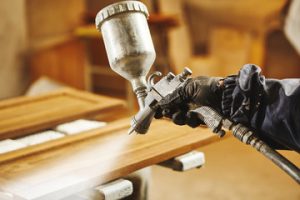
Preparing Your Cabinets For Cabinet Painting

Cabinet Painting is a major undertaking, but with the proper preparation and premium paints, your finished product will stand up to years of use and frequent cleaning.

Cabinet Painting

A high-quality, cabinet-grade acrylic will stand up to moisture and food spills and clean easily, without odors. Contact Cabinet Painting Sacramento for professional help.

Be sure to label all hardware before removing and placing it in a bag for easy reattachment.

If you’ve ever done a big painting project in your Oviedo home, you know how important prep work is. Without it, your new paint will not stick to the surface, and it will probably chip or peel quickly. This is especially true if you are repainting over an existing finish or paint job. You need to sand the surface to roughen it up and give your new coating something to adhere to. That’s where Cabinets primer comes in.

A quality Cabinets primer provides a base for your next coat of paint and can hide blemishes, as well. It can also help even out the color on a worn wall or surface. Cabinets primer is available in both water-based and oil-based formulas. Water-based primers are popular for their quick clean-up and low VOC (volatile organic compound) levels, making them ideal for indoor use. However, they may not be as durable as oil-based primers.

Oil-based Cabinets primer is ideal for wood or bare surfaces, as it seals the pores of the material and provides a smooth surface for painting. It is especially helpful if you are painting over an old, oil-based stain or polyurethane finish. Most oil-based Cabinets primers are tintable, allowing you to create a base that is closer in tone to your finished paint color.

No one wants to spend time and money on a paint job only to have grainy wood, old stains, or other flaws show through the final coat. That’s where Cabinets primer really starts to earn its paycheck. It’s like joint compound for your paint job, filling in the little imperfections so they won’t stand out later on.

Adhesion primers are great for slick surfaces like laminate or glossy paint, as they create a bond that will keep your new coat from chipping or peeling. They don’t hide stains as well as other types of primers, though. So if you’re dealing with nicotine stains or water damage, you might want to invest in a stain-blocking primer. Stain-blocking primers are also good for hiding odors from smoke or other sources.

Paint

When painting cabinets, the paint choice makes a big difference. The right cabinet paint will look beautiful and last for a long time. Cabinet paint is often formulated with extra resins to make it more resistant to scratching, staining and fading. It can also contain special pigments to camouflage imperfections and provide a smooth surface. Cabinet paint may cost more upfront than wall paint, but it is well worth the investment for a high-quality finish that will stand up to years of wear and tear.

There are several different cabinet paints available, including latex and oil-based. Latex paint goes on easily and dries quickly, but it is not as durable as other types of paint. It also emits less odor than oil-based paint and is water-cleanup friendly. Oil-based paint, on the other hand, offers superior adhesion and durability to sanded softwood cabinetry. It requires two coats for an even finish, but it provides a hard and scrubbable surface that will hold up to heavy use.

Before painting, all surfaces must be cleaned thoroughly. Any grease or cooking oils must be removed, as paint will not bond with greasy surfaces. Surfaces should also be lightly sanded to ensure proper adhesion. Once the surfaces are ready to be painted, all hardware must be removed and placed in plastic bags so that it can be reinstalled later. Countertops and appliances should be covered and masked to prevent spills.

Spraying cabinets with a professional paint sprayer can yield an incredible result with minimal brush marks and stippling (tiny dimples from rolling). This type of finish is very similar to the factory-like finish you’d get when ordering brand new cabinetry.

When choosing a painter for your project, ask for recommendations from friends and family. It is also important to read online reviews and look at before/after photos. Be sure to consider the amount of time the job will take, as well as any additional work that may need to be done, such as touchups or refinishing. A reputable cabinet painter will provide a clear estimate for the entire job.

Finish

Cabinet painting requires a certain amount of skill and experience. Not only do you need to properly prep the surface, but it’s important not to forget about the finishing touches. This can make a big difference in the overall look of your cabinets and how long they last.

The type of paint used can also make a huge impact on the final result. If you choose an inferior brand, you could end up with a finish that looks dull or has chips within just a few years. This is why it’s important to use a premium paint that will stand up to the harsh kitchen environment. At Walla Painting, we exclusively use Milesi products for our cabinet painting services because they offer an extensive color palette and are formulated to resist chipping, scratching, and moisture damage.

During the sanding process, it is often necessary to remove the doors from the cabinet frames and to empty them. This makes it easier to get the best results and prevents the contents from getting covered in dust or paint. It’s also a good idea to number each door so that it’s easy to remember which one goes back where after the job is done.

Once the surfaces have been sanded and washed, they should be primed before applying the new paint. A quality primer will help ensure that the top coats adhere to the surface and that any blemishes are covered up. We highly recommend using a primer that is specifically formulated for cabinetry as it will provide the best results.

The next step is to apply the first coat of paint. This is the most time-consuming part of the job, but it’s essential for ensuring that the top coats adhere well to the bare surface. We recommend using a soft brush and light pressure, and avoiding overworking the area so that you don’t create any noticeable brush marks.

Once the cabinets are painted, it’s a great time to think about upgrading your hardware. This can make a big difference in how your cabinets look and can really complete the look of the room.

Hardware

Cabinets get a lot of use and the knobs and handles often don’t escape this daily contact with fingers, food, and grease. If your kitchen knobs have become worn and damaged or are simply outdated you can give them a new look with spray paint. To ensure a good, long-lasting finish on your hardware you need to take the time to clean and prep it before you begin painting. This helps the paint stick better and will make it last longer. First, use a mild cleaner or dish soap to wash the surface. Next, sand the knob to roughen it up. Then rinse the knob with water and dry it thoroughly.

Once your cabinet doors have been painted and are completely dry, you can re-attach the knobs. Before you do this though, it’s a great idea to label them. This will save you a lot of frustration and confusion when it comes to re-assembling them. Count the hinge holes on each door or drawer front and write the number in pencil (or on a sticky note). As you remove each piece, place it in a bag with the corresponding number and store the hardware for that cabinet in the same bag. This little step can help you avoid the biggest mistake made by amateurs – mixing up the hardware.

After all of the work you’ve put into your cabinet painting project, the last thing you want is to have to re-do it. If you fail to properly prepare your cabinetry for paint, you’ll run into adhesion problems that will make your entire project a nightmare.

If you follow these simple steps, you can be sure to have a successful and professional cabinet painting project. Whether you’re looking for a complete room remodel or just an upgrade to your kitchen, cabinet painting can be one of the best home improvements you can make. It can be an expensive project, but it can also give you a huge return on your investment and make the rest of your home look even more beautiful. Good luck!

Skilled Carpentry Services for Custom Woodworking and Home Improvements

Carpentry is an art that combines craftsmanship, precision, and creativity to transform raw materials into functional and aesthetically pleasing structures. Whether it involves building custom furniture, enhancing interiors, or improving outdoor spaces, skilled carpentry services play a critical role in home improvement projects. By leveraging expert knowledge and attention to detail, professional carpenters help homeowners achieve unique, durable, and beautiful results that elevate the functionality and style of any property.

carpentry

The Importance of Skilled Carpentry

Quality carpentry goes beyond simple woodworking—it enhances the overall value and usability of a home. Well-executed carpentry ensures that furniture, fixtures, and structural elements are built to last, while also reflecting the personal style and preferences of the homeowner. Skilled carpenters bring experience in selecting the right materials, applying precise techniques, and finishing pieces with a professional touch.

From enhancing the interior with custom cabinets and shelving to creating functional outdoor decks and fences, carpentry services transform ordinary spaces into polished, efficient, and inviting environments. Investing in expert carpentry ensures that home improvements are not only visually appealing but also structurally sound.

Custom Woodworking for Personalized Spaces

One of the standout benefits of professional carpentry is the ability to create custom woodworking projects tailored to individual needs. Unlike mass-produced furniture or standard fixtures, custom pieces are designed to fit specific spaces, complement existing décor, and serve functional purposes.

Custom Cabinets and Storage Solutions

Cabinets and storage units are essential components of modern homes. Skilled carpenters can design custom cabinetry that maximizes space, organizes belongings, and enhances aesthetics. Kitchen cabinets, bathroom vanities, and built-in storage units can be tailored to the dimensions of each room while reflecting the homeowner’s design preferences.

Furniture and Decorative Pieces

From coffee tables and bookshelves to intricate wall panels and decorative accents, custom woodworking adds personality and uniqueness to any home. Expert carpenters craft pieces with attention to detail, ensuring that materials, finishes, and styles align perfectly with the homeowner’s vision.

Functional Home Improvements

Carpentry services are not limited to decorative projects—they also enhance the functionality of a home. For instance, custom staircases, room dividers, and closet organizers improve usability while maintaining a cohesive design. With skilled carpentry, homeowners can achieve both practicality and elegance in their living spaces.

Enhancing Interiors with Carpentry

Interior carpentry services contribute significantly to the overall style and atmosphere of a home. From flooring and molding to doors and window frames, these elements define the character of living spaces.

Flooring and Trim Work

Skilled carpenters install high-quality flooring and trim that enhances the beauty and value of a home. Hardwood floors, laminate finishes, and custom baseboards create polished interiors, while meticulous trim work around doors, windows, and ceilings adds depth and sophistication.

Doors, Windows, and Millwork

Custom doors and window frames not only improve functionality but also contribute to a home’s aesthetic appeal. Expert carpenters ensure precise installation, durable construction, and visually pleasing designs that complement the overall décor.

Built-In Features

Built-in features such as shelving, entertainment units, and bookcases maximize space while adding a sense of organization and elegance. Custom millwork allows homeowners to utilize every corner effectively without compromising style.

Outdoor Carpentry for Functional Spaces

Carpentry services extend beyond interiors to enhance outdoor living areas. Decks, pergolas, fences, and garden structures add value, functionality, and charm to a property.

Decks and Patios

A well-constructed deck provides a comfortable outdoor space for relaxation, dining, and social gatherings. Skilled carpenters design and build decks that are durable, safe, and visually appealing, ensuring they withstand weather conditions while complementing the home’s architecture.

Fences and Gates

Custom fences and gates improve privacy, security, and curb appeal. Professional carpenters ensure precise measurements, sturdy construction, and quality finishes, resulting in functional and attractive boundaries.

Outdoor Furniture and Structures

From benches and pergolas to planters and garden trellises, outdoor woodworking projects enhance the usability and beauty of landscapes. Expert carpentry ensures that these structures are both durable and stylish, adding value to outdoor living spaces.

Benefits of Hiring Skilled Carpentry Services

Working with professional carpenters offers numerous advantages that go beyond aesthetics. Some key benefits include:

  1. Precision and Quality – Skilled carpenters apply expert techniques, ensuring accurate measurements, secure joins, and flawless finishes.
  2. Customization – Tailored solutions meet specific needs and preferences, creating unique pieces that reflect personal style.
  3. Durability – High-quality materials and professional craftsmanship result in long-lasting products.
  4. Efficiency – Experts complete projects more efficiently, saving time and reducing potential errors.
  5. Added Property Value – Professional carpentry enhances both the functionality and aesthetic appeal of a home, boosting its market value.

Choosing the Right Carpentry Services

When selecting carpentry services, it’s important to consider expertise, experience, and a portfolio of past work. Skilled professionals not only execute projects efficiently but also guide materials, design, and finishing touches. Clear communication and collaboration between homeowners and carpenters ensure that the final results align with expectations.

Skilled carpentry services play a vital role in creating functional, beautiful, and personalized living spaces. From custom woodworking and interior enhancements to outdoor structures and home improvements, professional carpenters bring precision, creativity, and durability to every project.

Investing in expert carpentry not only elevates the appearance of a home but also enhances its usability, value, and longevity. Whether it’s designing custom cabinets, building furniture, or constructing outdoor decks, these services allow homeowners to achieve tailored solutions that meet both aesthetic and practical needs. By combining craftsmanship with innovative design, skilled carpentry transforms ordinary spaces into extraordinary homes, making every improvement a lasting investment in comfort, style, and functionality.

Specialty Roofing Solutions and Roof Repair

A roof’s lifespan depends on a wide range of environmental factors. When damage occurs, the homeowner can choose from repairs, replacements and specialty roofing solutions.

Roofing

A well-maintained roof should last for a minimum of 15 years. It’s important to inspect the structure regularly. If rot and mold are present, a roof replacement is usually the best option. Visit https://www.cedarparkroofingpro.com to learn more.

Shingles are an essential part of your roof, providing insulation and weather protection. Damaged shingles can allow water to seep through and damage your roof structure. In addition, leaking shingle damage can cause interior problems, such as mold and mildew. Identifying and repairing shingle damage promptly helps protect your home investment and avoid costly repairs and replacements.

Missing Shingles

If you notice a section of your roof that appears bare, or you find shingles in your gutters after a storm, this could indicate wind damage. A roofing professional can inspect the damage and repair or replace the shingles.

Cracked or Torn Shingles

While shingle damage can be severe, it’s also common for small cracks and tears in shingles to develop over time. When a shingle is cracked but still structurally sound, apply roofing sealant to the crack and press down on it. Place a weight on the shingle until it’s completely dry to prevent it from curling back up.

When a shingle is torn, it may be possible to seal the tear by cutting off the loose edges and sliding in a replacement shingle. Measure the replacement shingle to ensure it’s the same size and type as the damaged one. Then, apply a liberal coating of roofing sealant to the crack and press the shingle into it.

Folded Shingles

During high winds, your roof’s shingles can creak or crease vertically. This is a sign of wind damage and can be caused by an uneven roof structure or a buildup of debris. Inspect the roof after a storm to check for these creases, which are often indicated by dark lines along the shingles.

Depending on the extent of your roof’s damage, you might need to file an insurance claim with your insurance company. A roofing contractor can help you with this process, guiding you through the paperwork and answering any questions that might arise. They can also recommend solutions, like installing a more resilient shingle or hurricane straps, to improve your roof’s resilience to extreme weather events. In addition, a roofing professional can perform regular inspections to detect early signs of damage and catch problems before they worsen.

Leaks

Leaks are one of the most serious roof problems because they can lead to rotting of roof decking, softening of ceiling joists, mold growth and structural damage to walls and floors. Identifying and repairing leaks quickly can prevent them from causing expensive and extensive interior damage.

Water stains on the ceiling are often the first sign of leaks, but it’s important to check for other signs of roof trouble as well. Look for sagging areas of the ceiling or wood framing members. You may also find rotting or dark spots near electrical outlets and vents. If you see a wet spot on the floor, it is likely coming from a ceiling leak that needs immediate repair.

If you’re concerned about a leaky roof, we recommend getting a professional inspection. Our experts can diagnose and repair the problem before it gets out of hand.

A common source of leaks is poorly installed or damaged flashing. Flashing is a thin piece of metal that seals the joints between roof parts, such as around chimneys and vents, or between different types of roofing materials. It is typically held in place with caulk, which can wear out over time, allowing water to seep into the joint or through a shingle.

It’s also important to regularly inspect the flashing around vents, chimneys and skylights, since it can crack or corrode over time. You should also be on the lookout for gaps around dormers, valleys and along the edges of the roof, which can let in water if the flashing isn’t properly installed or the caulk has worn out.

Gutters are another common source of leaks because they can get clogged with leaves, sticks and debris that block rainwater from flowing down and away from the roof. Check for clogged gutters during rainstorms and be sure to clear out any leaves, twigs or other obstructions.

Another common cause of leaks is rooftop equipment like swamp coolers, HVAC units and satellite dishes. These are generally located in ductwork that is attached to the roof, and can leak through holes or cracks in the underlying membrane if the mechanical equipment isn’t properly maintained or the roof is overly stressed.

Built-Up Roofing

BUR is a long-established roofing system that can last up to 30 years, providing substantial protection for commercial properties. It’s often found on low-slope or flat roofs, and it boasts a sturdy multi-layered structure that offers protection from moisture infiltration.

A BUR roof is typically made of alternating layers of waterproof materials, such as asphalt or coal tar, and reinforcing fabrics like felt or fiberglass mats. These are then topped with a layer of aggregate, which provides additional protection and insulation. BUR has been a popular choice in commercial roofing for more than a century because of its resilience and adaptability.

While this type of roofing is a reliable, durable choice for many buildings, it does have its drawbacks, including the fact that it requires more maintenance than other types of roofs. BUR roofs need to be inspected regularly, and any issues should be repaired immediately, as they can quickly worsen. This is especially important if the roofing surface is exposed to extreme heat or sunlight, which can cause the materials to become brittle and crack.

When BUR roofs are damaged, they may also have a difficult time retaining water, which can lead to ponding and mold growth. This is because the underlying layers of the roof are prone to drying out and cracking. If left untreated, this can result in the formation of blisters and other problems. BUR roofs are also not as flexible as other roofing systems, which can make it challenging to find the source of leaks or damage.

One of the most significant issues is that repairing a BUR roof can be tricky, since the layers of material must be cut through to reach the leaking area. This can be difficult for inexperienced service technicians, and it can increase the cost of repairs.

BUR roofs can also emit odors and fumes, which is an issue for buildings that have sensitive occupants or are prone to respiratory issues. In addition, the asphalt used in these roofs can contribute to greenhouse gas emissions and can pose environmental concerns. These issues can be minimized by ensuring that there is adequate ventilation during the installation process.

Specialty Repairs

Some repairs are not something a maintenance worker can complete on their own and require the help of environmental testing, skilled trades, or vendors. If a problem is identified that requires this additional expertise, a ticket must be created so these specialty services can be contracted out.

The easiest way to spot these problems is through regular inspections, including both ground level and roof-top inspections. Tracing water stains or discoloration to their source helps identify potential issues. Once the issue is located, it can be repaired with relative ease. First, find the leak and mark it for reference. Then, clean the area and prepare it for patching. Afterwards, apply the patch and liberally apply adhesive or roofing cement to ensure adhesion. Finally, apply a sealant to prevent future leaks.

Septic Tank Safety: Avoiding Hazards During Maintenance

Septic tanks are essential components of many properties, yet they are often overlooked until something goes wrong. While maintenance plays a crucial role in ensuring long-term functionality, it also comes with serious safety risks that should never be underestimated. From toxic gases to structural hazards, septic systems require careful handling and informed decision-making. Many homeowners focus on keeping their system running efficiently but fail to consider the potential dangers involved during inspections, cleaning, or repairs. Understanding how to approach septic tank maintenance safely not only protects your property but also safeguards your health and the well-being of anyone nearby. Call Septic Service Fresno for trusted advice.

septic

One of the biggest misconceptions about septic systems is that they are simple underground containers that can be accessed without preparation. In reality, a septic tank is a confined space filled with gases and biological waste that can create hazardous conditions. Opening a tank without proper precautions can expose individuals to harmful fumes, including gases that may cause dizziness, respiratory issues, or even unconsciousness. The risk is particularly high in enclosed or poorly ventilated areas, making it essential to treat septic maintenance as a specialized task rather than a routine household chore. Awareness of these hazards is the first step toward preventing accidents.

Another key safety concern involves structural stability. Septic tanks and their lids are designed to remain sealed and secure, but they can weaken over time due to age, soil movement, or improper installation. Walking or standing on a tank cover can be dangerous if the material has deteriorated. In some cases, covers may crack or collapse under weight, creating a serious fall hazard. Regular visual checks from a safe distance can help identify warning signs such as sinking soil, visible cracks, or shifting surfaces. If anything appears unstable, it is wise to avoid direct contact and seek professional evaluation.

Handling septic maintenance also requires an understanding of biological risks. Wastewater contains bacteria and pathogens that can cause illness if proper hygiene practices are not followed. Even minor contact with contaminated surfaces can lead to health problems if protective measures are ignored. Gloves, protective clothing, and thorough handwashing are simple yet effective ways to reduce exposure during basic maintenance tasks. These precautions may seem obvious, but they are often overlooked when homeowners attempt quick fixes without fully considering the risks involved.

When approaching septic tank safety, it helps to recognize which tasks are relatively low risk and which require professional expertise. While homeowners can support system health through responsible habits, certain activities should be left to trained technicians. Consider these general safety guidelines:

  1. Avoid opening or entering the septic tank under any circumstances, as confined spaces can contain dangerous gases.
  2. Keep children and pets away from maintenance areas to prevent accidental exposure.
  3. Use appropriate protective gear when performing visual inspections or handling nearby components.
  4. Never attempt to repair damaged lids or structural elements without proper tools and experience.

These practices create a safer environment while still allowing homeowners to remain involved in routine system awareness.

Chemical safety is another aspect that deserves careful attention. Some people assume that strong cleaners or additives will improve septic performance, but improper chemical use can create hazardous reactions or damage internal processes. Mixing cleaning agents near an open tank may release harmful fumes, while excessive use of certain substances can disrupt the natural balance of bacteria inside the system. Instead of relying on harsh solutions, balanced cleaning habits and proper waste disposal help maintain a safer environment. Understanding the difference between safe household maintenance and risky chemical experimentation is crucial for preventing accidents.

Water management also plays an unexpected role in septic safety. Overloading the system with excessive water can cause backups, which may lead to exposure to untreated wastewater inside the home or yard. Sudden surges from heavy appliance use or unresolved plumbing leaks can increase pressure within the system, potentially creating hazardous conditions. Spacing out water usage and addressing leaks promptly reduces strain on the tank and helps maintain stable operation. Preventive habits like these may not seem directly related to safety, but they significantly lower the risk of dangerous system failures.

Electrical hazards are sometimes overlooked during septic maintenance, especially when pumps or alarms are involved. Some systems rely on electrical components to move wastewater efficiently, and tampering with these elements without proper knowledge can be dangerous. Turning off power sources before inspecting nearby equipment is a basic safety step that should never be ignored. Wet environments increase the risk of electrical shock, making it essential to treat all wiring and connections with caution. If electrical issues arise, seeking professional assistance is the safest course of action.

Another important aspect of septic tank safety is recognizing early warning signs that indicate potential danger. Ignoring subtle changes can lead to emergencies that put both property and personal safety at risk. Homeowners should watch for indicators such as persistent odors, slow drainage, unusually lush patches of grass near the drain field, or standing water in unexpected areas. These signs often suggest underlying problems that require immediate attention. Addressing issues early reduces the likelihood of hazardous conditions developing later.

Long-term safety also depends on maintaining clear access to the septic system. Over time, landscaping features, heavy decorations, or storage items may accumulate around the tank area, making it difficult to perform inspections safely. Keeping the surrounding space clear allows technicians to work efficiently and reduces the risk of accidents during maintenance. Additionally, avoiding heavy traffic over the tank or drain field prevents soil compaction and structural stress. Simple planning decisions, such as marking the tank location and maintaining open pathways, can make a significant difference in overall safety.

For homeowners who prefer to stay actively involved in maintenance, adopting a cautious mindset is essential. Rather than attempting complex repairs, focus on preventive practices that support system health without introducing unnecessary risk. Examples of safe homeowner actions include:

  1. Monitor for unusual smells or slow drainage and report them promptly.
  2. Keeping accurate records of inspections and maintenance schedules.
  3. Educating household members about proper waste disposal habits.
  4. Observing the condition of the surrounding soil and landscaping for signs of change.

These habits help maintain awareness while minimizing direct exposure to potential hazards.

Professional inspections play a vital role in septic tank safety because they combine technical knowledge with specialized equipment. Technicians can evaluate internal conditions, measure sludge levels, and identify structural weaknesses that may not be visible from the surface. Their training allows them to manage hazardous environments safely, reducing the risk of injury or contamination. While some homeowners may view professional services as an optional expense, they often serve as a critical layer of protection against unexpected problems.

Environmental responsibility is another reason to prioritize safety during septic maintenance. A malfunctioning system can release untreated wastewater into the surrounding soil, potentially affecting nearby ecosystems and water sources. Safe handling practices help prevent contamination and ensure that waste is managed responsibly. By following recommended maintenance schedules and avoiding risky DIY interventions, homeowners contribute to a cleaner and healthier environment while protecting their own property.

Communication within the household also plays a role in preventing septic-related accidents. Everyone who lives on the property should understand basic safety guidelines, such as avoiding heavy objects in the tank area or recognizing warning signs of system trouble. Clear communication reduces the likelihood of accidental damage or unsafe behavior, especially during outdoor activities or renovations. Creating a shared sense of responsibility encourages safer habits and ensures that maintenance decisions are made with care.

In conclusion, septic tank safety is not just about keeping a system operational; it is about protecting people, property, and the surrounding environment from preventable hazards. From toxic gases and structural risks to biological and electrical dangers, maintenance requires a thoughtful and informed approach. While homeowners can take an active role in monitoring and preventive care, many tasks are best left to professionals who have the tools and expertise to handle complex situations safely. By understanding potential risks, adopting responsible habits, and prioritizing long-term maintenance strategies, property owners can avoid accidents and ensure that their septic systems continue functioning reliably for years to come.

Commercial Carpet Cleaning: Maintaining a Clean and Professional Workplace

Maintaining a professional and welcoming work environment is about more than just aesthetics—it’s also about cleanliness, hygiene, and comfort. One element that is often overlooked but significantly impacts both the appearance and health of a workplace is the condition of its carpeted areas. From offices to retail spaces, conference rooms to hallways, commercial carpets endure high foot traffic and daily wear, quickly accumulating dirt, debris, and allergens. This is why professional commercial Carpet Cleaning Orem services are essential for creating a safe, productive, and professional workplace.

carpet cleaning

Commercial carpet cleaning goes beyond simply vacuuming floors. While daily vacuuming removes surface dirt, professional cleaning penetrates deeper into the carpet fibers to remove embedded particles, bacteria, and stubborn stains. The benefits are far-reaching, including improved indoor air quality, enhanced aesthetics, extended carpet lifespan, and a healthier environment for employees, clients, and visitors.

The Importance of Clean Carpets in a Professional Setting

The appearance of a workplace is one of the first impressions clients, visitors, and even employees notice. Worn, stained, or dusty carpets can create the perception of neglect or poor management, even if other areas are well-maintained. Clean carpets, on the other hand, signal professionalism, attention to detail, and a commitment to maintaining a comfortable environment.

High-traffic areas, such as entrances, hallways, and break rooms, are particularly susceptible to dirt accumulation. Shoes track in soil, moisture, and pollutants from the outside, which embed into the carpet fibers over time. Without proper cleaning, carpets can become matted, discolored, and unhygienic. Professional commercial carpet cleaning ensures that the flooring is consistently presentable, creating a positive impression on everyone who enters the workplace.

Health and Safety Benefits

Beyond appearances, carpet cleanliness directly impacts the health and comfort of employees. Carpets act as a filter, trapping dust, allergens, and microorganisms. While this initially helps improve indoor air quality, if the carpets are not cleaned regularly, these particles can accumulate and become a source of allergens themselves.

Some key health benefits of professional carpet cleaning include:

  1. Reduction of Allergens and Dust
    Dust, pollen, and pet dander that enter the workplace can embed into carpet fibers. Deep cleaning removes these allergens, reducing the likelihood of respiratory irritation among employees.
  2. Control of Bacteria and Microbial Growth
    Spills, food debris, and moisture can create ideal conditions for bacteria and mold growth. Professional cleaning eliminates these contaminants, reducing health risks.
  3. Odor Removal
    Lingering smells from food, spills, or moisture are often trapped in carpets. Thorough commercial cleaning neutralizes odors, creating a fresher workplace environment.

Maintaining clean carpets is particularly important in environments where employees spend long hours on site, as it supports overall wellness and comfort, ultimately contributing to productivity and job satisfaction.

Extending Carpet Lifespan Through Professional Cleaning

Replacing commercial carpets can be a significant expense, especially in larger office buildings or high-traffic facilities. Regular professional cleaning protects this investment by extending the lifespan of the carpet.

Carpets are subject to wear and tear from daily foot traffic. Dirt, grit, and debris act like sandpaper, gradually damaging fibers and causing premature wear. Professional carpet cleaning removes abrasive particles before they break down the fibers, preserving both texture and appearance.

For business owners, this means:

  • Reduced frequency of replacement or repairs
  • Lower long-term maintenance costs
  • Preservation of a professional and inviting environment for clients and staff

Investing in professional cleaning is a proactive measure that not only enhances aesthetics but also contributes to financial efficiency over time.

Methods of Commercial Carpet Cleaning

Professional commercial carpet cleaning uses advanced methods and equipment to ensure optimal results. The choice of method depends on the type of carpet, level of soiling, and specific business requirements. Some of the most common techniques include:

  1. Hot Water Extraction (Steam Cleaning)
    This method involves injecting hot water and cleaning solutions deep into the carpet fibers, then extracting it along with dirt and debris. It is highly effective for deep cleaning and sanitization.
  2. Dry Carpet Cleaning
    A low-moisture method where special cleaning compounds are applied and agitated to capture dirt, which is then vacuumed away. This method minimizes downtime and is ideal for busy commercial spaces.
  3. Encapsulation Cleaning
    Cleaning agents crystallize dirt particles, which are then removed during vacuuming. Encapsulation is effective for routine maintenance and high-traffic areas.
  4. Bonnet Cleaning
    A surface-cleaning method using a rotating pad to absorb dirt. While less intensive, it is often used for regular upkeep and spot cleaning.

Professional technicians evaluate carpets to determine the most effective cleaning approach, ensuring both longevity and safety for the flooring.

Maintaining Productivity During Cleaning

One of the challenges in commercial carpet cleaning is minimizing disruption to daily operations. Reputable cleaning services schedule work strategically, often during off-hours, weekends, or overnight, depending on the facility’s requirements.

Advanced equipment and low-moisture methods allow for quicker drying times, ensuring that offices, retail spaces, or healthcare facilities remain functional. By coordinating cleaning schedules and using efficient techniques, businesses can maintain productivity without sacrificing cleanliness.

Environmental and Sustainable Considerations

Many businesses today prioritize sustainability and environmental responsibility. Professional carpet cleaning services often incorporate eco-friendly cleaning agents and energy-efficient equipment to minimize environmental impact.

Using biodegradable cleaning solutions reduces chemical exposure for employees while maintaining effective cleaning performance. Water-efficient systems reduce waste and promote environmentally responsible practices, aligning commercial cleaning efforts with broader corporate sustainability goals.

Signs Your Commercial Carpets Need Cleaning

Recognizing when to schedule professional carpet cleaning is essential for maintaining a healthy and professional environment. Common indicators include:

  1. Visible Dirt or Stains
    Accumulated dust, spills, or noticeable stains are clear signs that carpets require deep cleaning.
  2. Unpleasant Odors
    Lingering smells from food, moisture, or traffic may indicate embedded debris or microbial growth.
  3. Uneven Carpet Texture or Matting
    High-traffic areas may appear worn or matted. Cleaning restores fiber texture and overall appearance.
  4. Increase in Allergy Complaints
    Employees experiencing frequent sneezing, coughing, or other allergy symptoms may be affected by airborne particles trapped in carpets.

Identifying these signs early allows businesses to schedule maintenance proactively, preserving both carpet quality and workplace health.

Benefits Beyond Cleanliness

While aesthetics and hygiene are obvious advantages, professional commercial carpet cleaning provides additional, often overlooked benefits:

  • Improved Indoor Air Quality: Removing dust and debris prevents the circulation of pollutants.
  • Enhanced Employee Morale: A clean, well-maintained workspace fosters comfort and pride in the workplace.
  • Professional Image: Clean carpets contribute to a polished appearance, which impacts clients, customers, and visitors.
  • Cost Savings: Preventive cleaning reduces the need for costly replacements and repairs.

By recognizing the broader impact of carpet cleanliness, businesses can appreciate it as an essential component of overall property maintenance.

How to Choose a Commercial Carpet Cleaning Provider

Selecting a reliable commercial carpet cleaning service is key to achieving consistent results. Business owners should consider the following factors:

  1. Experience with Commercial Spaces
    A provider experienced in offices, retail environments, or healthcare facilities understands the unique needs and challenges of high-traffic spaces.
  2. Comprehensive Services
    Look for services that offer deep cleaning, stain removal, deodorization, and optional protective treatments for long-term benefits.
  3. Flexible Scheduling
    Minimizing disruption to daily operations is critical, so choose a provider that can adapt to off-hour or weekend schedules.
  4. Professional Equipment and Techniques
    High-quality tools and methods ensure thorough cleaning while protecting carpet fibers and indoor air quality.
  5. Safety and Environmental Standards
    Verify that the company follows safety protocols and uses environmentally responsible cleaning products.

A reputable provider ensures both high-quality results and a positive experience for the business.

Creating a Maintenance Schedule

Consistency is essential for commercial carpet upkeep. Developing a maintenance schedule based on traffic levels, usage patterns, and cleaning needs ensures carpets remain in excellent condition year-round.

  • High-Traffic Areas: Require more frequent cleaning, potentially every 2–3 months.
  • Moderate-Traffic Zones: Quarterly cleaning may suffice.
  • Low-Traffic Spaces: Semi-annual or annual cleaning can maintain quality.

Regular scheduling, combined with spot treatments as needed, keeps carpets visually appealing and hygienic without major interruptions to business operations.

A Smart Investment for Businesses

Professional commercial carpet cleaning is more than a cosmetic improvement—it is an investment in health, productivity, and professional image. Clean carpets protect employees from allergens, improve indoor air quality, and maintain the durability of the flooring. Additionally, they enhance customer perceptions and reinforce a professional, well-managed environment.

Businesses that schedule routine commercial carpet cleaning save money in the long term by extending the life of their carpets and reducing the likelihood of costly repairs or replacements. Whether managing an office, retail space, or healthcare facility, clean carpets create a welcoming atmosphere, support employee well-being, and contribute to overall operational efficiency.

Incorporating professional carpet cleaning into a regular maintenance plan ensures that commercial spaces remain safe, inviting, and professional—an essential component of any successful workplace strategy.