Septic Tank Safety: Avoiding Hazards During Maintenance

Septic tanks are essential components of many properties, yet they are often overlooked until something goes wrong. While maintenance plays a crucial role in ensuring long-term functionality, it also comes with serious safety risks that should never be underestimated. From toxic gases to structural hazards, septic systems require careful handling and informed decision-making. Many homeowners focus on keeping their system running efficiently but fail to consider the potential dangers involved during inspections, cleaning, or repairs. Understanding how to approach septic tank maintenance safely not only protects your property but also safeguards your health and the well-being of anyone nearby. Call Septic Service Fresno for trusted advice.
septic

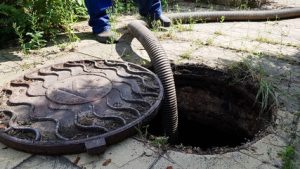
One of the biggest misconceptions about septic systems is that they are simple underground containers that can be accessed without preparation. In reality, a septic tank is a confined space filled with gases and biological waste that can create hazardous conditions. Opening a tank without proper precautions can expose individuals to harmful fumes, including gases that may cause dizziness, respiratory issues, or even unconsciousness. The risk is particularly high in enclosed or poorly ventilated areas, making it essential to treat septic maintenance as a specialized task rather than a routine household chore. Awareness of these hazards is the first step toward preventing accidents.

Another key safety concern involves structural stability. Septic tanks and their lids are designed to remain sealed and secure, but they can weaken over time due to age, soil movement, or improper installation. Walking or standing on a tank cover can be dangerous if the material has deteriorated. In some cases, covers may crack or collapse under weight, creating a serious fall hazard. Regular visual checks from a safe distance can help identify warning signs such as sinking soil, visible cracks, or shifting surfaces. If anything appears unstable, it is wise to avoid direct contact and seek professional evaluation.

Handling septic maintenance also requires an understanding of biological risks. Wastewater contains bacteria and pathogens that can cause illness if proper hygiene practices are not followed. Even minor contact with contaminated surfaces can lead to health problems if protective measures are ignored. Gloves, protective clothing, and thorough handwashing are simple yet effective ways to reduce exposure during basic maintenance tasks. These precautions may seem obvious, but they are often overlooked when homeowners attempt quick fixes without fully considering the risks involved.

When approaching septic tank safety, it helps to recognize which tasks are relatively low risk and which require professional expertise. While homeowners can support system health through responsible habits, certain activities should be left to trained technicians. Consider these general safety guidelines:

  1. Avoid opening or entering the septic tank under any circumstances, as confined spaces can contain dangerous gases.
  2. Keep children and pets away from maintenance areas to prevent accidental exposure.
  3. Use appropriate protective gear when performing visual inspections or handling nearby components.
  4. Never attempt to repair damaged lids or structural elements without proper tools and experience.

These practices create a safer environment while still allowing homeowners to remain involved in routine system awareness.

Chemical safety is another aspect that deserves careful attention. Some people assume that strong cleaners or additives will improve septic performance, but improper chemical use can create hazardous reactions or damage internal processes. Mixing cleaning agents near an open tank may release harmful fumes, while excessive use of certain substances can disrupt the natural balance of bacteria inside the system. Instead of relying on harsh solutions, balanced cleaning habits and proper waste disposal help maintain a safer environment. Understanding the difference between safe household maintenance and risky chemical experimentation is crucial for preventing accidents.

Water management also plays an unexpected role in septic safety. Overloading the system with excessive water can cause backups, which may lead to exposure to untreated wastewater inside the home or yard. Sudden surges from heavy appliance use or unresolved plumbing leaks can increase pressure within the system, potentially creating hazardous conditions. Spacing out water usage and addressing leaks promptly reduces strain on the tank and helps maintain stable operation. Preventive habits like these may not seem directly related to safety, but they significantly lower the risk of dangerous system failures.

Electrical hazards are sometimes overlooked during septic maintenance, especially when pumps or alarms are involved. Some systems rely on electrical components to move wastewater efficiently, and tampering with these elements without proper knowledge can be dangerous. Turning off power sources before inspecting nearby equipment is a basic safety step that should never be ignored. Wet environments increase the risk of electrical shock, making it essential to treat all wiring and connections with caution. If electrical issues arise, seeking professional assistance is the safest course of action.

Another important aspect of septic tank safety is recognizing early warning signs that indicate potential danger. Ignoring subtle changes can lead to emergencies that put both property and personal safety at risk. Homeowners should watch for indicators such as persistent odors, slow drainage, unusually lush patches of grass near the drain field, or standing water in unexpected areas. These signs often suggest underlying problems that require immediate attention. Addressing issues early reduces the likelihood of hazardous conditions developing later.

Long-term safety also depends on maintaining clear access to the septic system. Over time, landscaping features, heavy decorations, or storage items may accumulate around the tank area, making it difficult to perform inspections safely. Keeping the surrounding space clear allows technicians to work efficiently and reduces the risk of accidents during maintenance. Additionally, avoiding heavy traffic over the tank or drain field prevents soil compaction and structural stress. Simple planning decisions, such as marking the tank location and maintaining open pathways, can make a significant difference in overall safety.

For homeowners who prefer to stay actively involved in maintenance, adopting a cautious mindset is essential. Rather than attempting complex repairs, focus on preventive practices that support system health without introducing unnecessary risk. Examples of safe homeowner actions include:

  1. Monitor for unusual smells or slow drainage and report them promptly.
  2. Keeping accurate records of inspections and maintenance schedules.
  3. Educating household members about proper waste disposal habits.
  4. Observing the condition of the surrounding soil and landscaping for signs of change.

These habits help maintain awareness while minimizing direct exposure to potential hazards.

Professional inspections play a vital role in septic tank safety because they combine technical knowledge with specialized equipment. Technicians can evaluate internal conditions, measure sludge levels, and identify structural weaknesses that may not be visible from the surface. Their training allows them to manage hazardous environments safely, reducing the risk of injury or contamination. While some homeowners may view professional services as an optional expense, they often serve as a critical layer of protection against unexpected problems.

Environmental responsibility is another reason to prioritize safety during septic maintenance. A malfunctioning system can release untreated wastewater into the surrounding soil, potentially affecting nearby ecosystems and water sources. Safe handling practices help prevent contamination and ensure that waste is managed responsibly. By following recommended maintenance schedules and avoiding risky DIY interventions, homeowners contribute to a cleaner and healthier environment while protecting their own property.

Communication within the household also plays a role in preventing septic-related accidents. Everyone who lives on the property should understand basic safety guidelines, such as avoiding heavy objects in the tank area or recognizing warning signs of system trouble. Clear communication reduces the likelihood of accidental damage or unsafe behavior, especially during outdoor activities or renovations. Creating a shared sense of responsibility encourages safer habits and ensures that maintenance decisions are made with care.

In conclusion, septic tank safety is not just about keeping a system operational; it is about protecting people, property, and the surrounding environment from preventable hazards. From toxic gases and structural risks to biological and electrical dangers, maintenance requires a thoughtful and informed approach. While homeowners can take an active role in monitoring and preventive care, many tasks are best left to professionals who have the tools and expertise to handle complex situations safely. By understanding potential risks, adopting responsible habits, and prioritizing long-term maintenance strategies, property owners can avoid accidents and ensure that their septic systems continue functioning reliably for years to come.
Commercial Carpet Cleaning: Maintaining a Clean and Professional Workplace

Maintaining a professional and welcoming work environment is about more than just aesthetics—it’s also about cleanliness, hygiene, and comfort. One element that is often overlooked but significantly impacts both the appearance and health of a workplace is the condition of its carpeted areas. From offices to retail spaces, conference rooms to hallways, commercial carpets endure high foot traffic and daily wear, quickly accumulating dirt, debris, and allergens. This is why professional commercial Carpet Cleaning Orem services are essential for creating a safe, productive, and professional workplace.

carpet cleaning

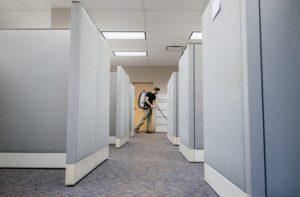
Commercial carpet cleaning goes beyond simply vacuuming floors. While daily vacuuming removes surface dirt, professional cleaning penetrates deeper into the carpet fibers to remove embedded particles, bacteria, and stubborn stains. The benefits are far-reaching, including improved indoor air quality, enhanced aesthetics, extended carpet lifespan, and a healthier environment for employees, clients, and visitors.

The Importance of Clean Carpets in a Professional Setting

The appearance of a workplace is one of the first impressions clients, visitors, and even employees notice. Worn, stained, or dusty carpets can create the perception of neglect or poor management, even if other areas are well-maintained. Clean carpets, on the other hand, signal professionalism, attention to detail, and a commitment to maintaining a comfortable environment.

High-traffic areas, such as entrances, hallways, and break rooms, are particularly susceptible to dirt accumulation. Shoes track in soil, moisture, and pollutants from the outside, which embed into the carpet fibers over time. Without proper cleaning, carpets can become matted, discolored, and unhygienic. Professional commercial carpet cleaning ensures that the flooring is consistently presentable, creating a positive impression on everyone who enters the workplace.

Health and Safety Benefits

Beyond appearances, carpet cleanliness directly impacts the health and comfort of employees. Carpets act as a filter, trapping dust, allergens, and microorganisms. While this initially helps improve indoor air quality, if the carpets are not cleaned regularly, these particles can accumulate and become a source of allergens themselves.

Some key health benefits of professional carpet cleaning include:

  1. Reduction of Allergens and Dust
    Dust, pollen, and pet dander that enter the workplace can embed into carpet fibers. Deep cleaning removes these allergens, reducing the likelihood of respiratory irritation among employees.
  2. Control of Bacteria and Microbial Growth
    Spills, food debris, and moisture can create ideal conditions for bacteria and mold growth. Professional cleaning eliminates these contaminants, reducing health risks.
  3. Odor Removal
    Lingering smells from food, spills, or moisture are often trapped in carpets. Thorough commercial cleaning neutralizes odors, creating a fresher workplace environment.

Maintaining clean carpets is particularly important in environments where employees spend long hours on site, as it supports overall wellness and comfort, ultimately contributing to productivity and job satisfaction.

Extending Carpet Lifespan Through Professional Cleaning

Replacing commercial carpets can be a significant expense, especially in larger office buildings or high-traffic facilities. Regular professional cleaning protects this investment by extending the lifespan of the carpet.

Carpets are subject to wear and tear from daily foot traffic. Dirt, grit, and debris act like sandpaper, gradually damaging fibers and causing premature wear. Professional carpet cleaning removes abrasive particles before they break down the fibers, preserving both texture and appearance.

For business owners, this means:

  • Reduced frequency of replacement or repairs
  • Lower long-term maintenance costs
  • Preservation of a professional and inviting environment for clients and staff

Investing in professional cleaning is a proactive measure that not only enhances aesthetics but also contributes to financial efficiency over time.

Methods of Commercial Carpet Cleaning

Professional commercial carpet cleaning uses advanced methods and equipment to ensure optimal results. The choice of method depends on the type of carpet, level of soiling, and specific business requirements. Some of the most common techniques include:

  1. Hot Water Extraction (Steam Cleaning)
    This method involves injecting hot water and cleaning solutions deep into the carpet fibers, then extracting it along with dirt and debris. It is highly effective for deep cleaning and sanitization.
  2. Dry Carpet Cleaning
    A low-moisture method where special cleaning compounds are applied and agitated to capture dirt, which is then vacuumed away. This method minimizes downtime and is ideal for busy commercial spaces.
  3. Encapsulation Cleaning
    Cleaning agents crystallize dirt particles, which are then removed during vacuuming. Encapsulation is effective for routine maintenance and high-traffic areas.
  4. Bonnet Cleaning
    A surface-cleaning method using a rotating pad to absorb dirt. While less intensive, it is often used for regular upkeep and spot cleaning.

Professional technicians evaluate carpets to determine the most effective cleaning approach, ensuring both longevity and safety for the flooring.

Maintaining Productivity During Cleaning

One of the challenges in commercial carpet cleaning is minimizing disruption to daily operations. Reputable cleaning services schedule work strategically, often during off-hours, weekends, or overnight, depending on the facility’s requirements.

Advanced equipment and low-moisture methods allow for quicker drying times, ensuring that offices, retail spaces, or healthcare facilities remain functional. By coordinating cleaning schedules and using efficient techniques, businesses can maintain productivity without sacrificing cleanliness.

Environmental and Sustainable Considerations

Many businesses today prioritize sustainability and environmental responsibility. Professional carpet cleaning services often incorporate eco-friendly cleaning agents and energy-efficient equipment to minimize environmental impact.

Using biodegradable cleaning solutions reduces chemical exposure for employees while maintaining effective cleaning performance. Water-efficient systems reduce waste and promote environmentally responsible practices, aligning commercial cleaning efforts with broader corporate sustainability goals.

Signs Your Commercial Carpets Need Cleaning

Recognizing when to schedule professional carpet cleaning is essential for maintaining a healthy and professional environment. Common indicators include:

  1. Visible Dirt or Stains
    Accumulated dust, spills, or noticeable stains are clear signs that carpets require deep cleaning.
  2. Unpleasant Odors
    Lingering smells from food, moisture, or traffic may indicate embedded debris or microbial growth.
  3. Uneven Carpet Texture or Matting
    High-traffic areas may appear worn or matted. Cleaning restores fiber texture and overall appearance.
  4. Increase in Allergy Complaints
    Employees experiencing frequent sneezing, coughing, or other allergy symptoms may be affected by airborne particles trapped in carpets.

Identifying these signs early allows businesses to schedule maintenance proactively, preserving both carpet quality and workplace health.

Benefits Beyond Cleanliness

While aesthetics and hygiene are obvious advantages, professional commercial carpet cleaning provides additional, often overlooked benefits:

  • Improved Indoor Air Quality: Removing dust and debris prevents the circulation of pollutants.
  • Enhanced Employee Morale: A clean, well-maintained workspace fosters comfort and pride in the workplace.
  • Professional Image: Clean carpets contribute to a polished appearance, which impacts clients, customers, and visitors.
  • Cost Savings: Preventive cleaning reduces the need for costly replacements and repairs.

By recognizing the broader impact of carpet cleanliness, businesses can appreciate it as an essential component of overall property maintenance.

How to Choose a Commercial Carpet Cleaning Provider

Selecting a reliable commercial carpet cleaning service is key to achieving consistent results. Business owners should consider the following factors:

  1. Experience with Commercial Spaces
    A provider experienced in offices, retail environments, or healthcare facilities understands the unique needs and challenges of high-traffic spaces.
  2. Comprehensive Services
    Look for services that offer deep cleaning, stain removal, deodorization, and optional protective treatments for long-term benefits.
  3. Flexible Scheduling
    Minimizing disruption to daily operations is critical, so choose a provider that can adapt to off-hour or weekend schedules.
  4. Professional Equipment and Techniques
    High-quality tools and methods ensure thorough cleaning while protecting carpet fibers and indoor air quality.
  5. Safety and Environmental Standards
    Verify that the company follows safety protocols and uses environmentally responsible cleaning products.

A reputable provider ensures both high-quality results and a positive experience for the business.

Creating a Maintenance Schedule

Consistency is essential for commercial carpet upkeep. Developing a maintenance schedule based on traffic levels, usage patterns, and cleaning needs ensures carpets remain in excellent condition year-round.

  • High-Traffic Areas: Require more frequent cleaning, potentially every 2–3 months.
  • Moderate-Traffic Zones: Quarterly cleaning may suffice.
  • Low-Traffic Spaces: Semi-annual or annual cleaning can maintain quality.

Regular scheduling, combined with spot treatments as needed, keeps carpets visually appealing and hygienic without major interruptions to business operations.

A Smart Investment for Businesses

Professional commercial carpet cleaning is more than a cosmetic improvement—it is an investment in health, productivity, and professional image. Clean carpets protect employees from allergens, improve indoor air quality, and maintain the durability of the flooring. Additionally, they enhance customer perceptions and reinforce a professional, well-managed environment.

Businesses that schedule routine commercial carpet cleaning save money in the long term by extending the life of their carpets and reducing the likelihood of costly repairs or replacements. Whether managing an office, retail space, or healthcare facility, clean carpets create a welcoming atmosphere, support employee well-being, and contribute to overall operational efficiency.

Incorporating professional carpet cleaning into a regular maintenance plan ensures that commercial spaces remain safe, inviting, and professional—an essential component of any successful workplace strategy.